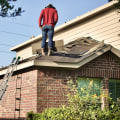
Roof replacement is often seen as a standalone project, but it actually plays a central role in a complete home upgrade plan. As one of the most important structural components of a house, the roof protects everything beneath it, from insulation and wiring to interior finishes and personal belongings. When homeowners invest in replacing an aging or damaged roof, they are not only improving the appearance of their property but also strengthening its overall durability and efficiency. A new roof provides a solid foundation for other upgrades, ensuring that improvements made inside the home are protected from external elements such as rain, heat, and wind.
Enhancing Energy Efficiency and Comfort
One of the key benefits of roof replacement is its impact on energy efficiency. Modern roofing materials are designed to reflect heat and improve insulation, helping to regulate indoor temperatures more effectively. This reduces the workload on heating and cooling systems, leading to lower energy bills and increased comfort throughout the year. When combined with upgrades such as improved insulation or energy-efficient windows, a new roof contributes to a more sustainable and cost-effective living environment. Homeowners who take a holistic approach to upgrades often see greater long-term savings and improved performance across all systems.
Coordinating Roof Replacement with Other Improvements
A comprehensive home upgrade plan involves coordinating multiple projects to ensure they work together seamlessly. Roof replacement often aligns with other improvements such as exterior renovations, gutter system upgrades, and even electrical enhancements. For example, homeowners may choose to upgrade their electrical systems at the same time, especially when planning additions like EV charger installation in McKinney, which requires sufficient power capacity and proper wiring. By addressing these upgrades concurrently, homeowners can reduce disruptions, streamline construction timelines, and ensure that all systems are integrated effectively. This coordinated approach maximizes efficiency and enhances the overall value of the property.
Protecting Interior Systems and Long-Term Investments
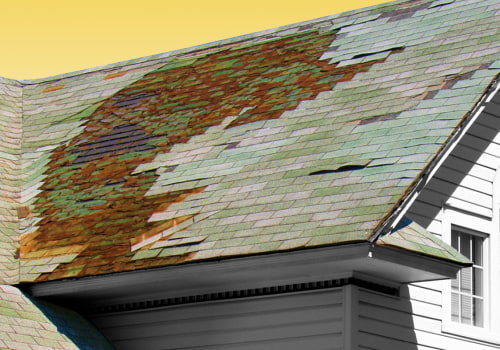
Replacing a roof also helps protect the home’s interior systems and long-term investments. An aging or damaged roof can allow moisture to seep into the attic and walls, potentially affecting electrical wiring, insulation, and structural components. Over time, this can lead to costly repairs and reduced system performance. A new roof eliminates these risks by providing a secure barrier against the elements, ensuring that all other upgrades remain protected. This is particularly important for homeowners who have invested in modern technologies or high-end finishes, as it preserves the quality and longevity of those improvements.
Long-Term Value of a Strategic Upgrade Plan
Incorporating roof replacement into a complete home upgrade plan offers significant long-term benefits. It enhances property value, improves energy efficiency, and ensures that all systems within the home operate in a safe and stable environment. By viewing the roof as a key component of a broader strategy rather than an isolated project, homeowners can make more informed decisions that support the overall functionality and appeal of their property. Ultimately, a well-planned upgrade that includes roof replacement creates a more resilient, efficient, and comfortable home, providing lasting value for years to come.