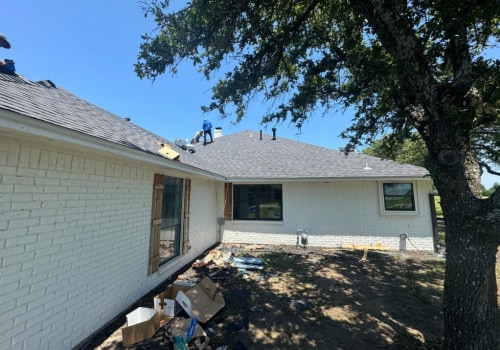
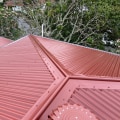
A roof does far more than protect a house from rain and sun—it plays a central role in overall home performance. Acting as the first line of defense against weather, temperature fluctuations, and moisture, the roof influences energy efficiency, structural integrity, and indoor comfort. When a roof ages or becomes damaged, its ability to perform these functions declines. Roof replacement is not just a cosmetic upgrade; it is a strategic improvement that strengthens how the entire home operates.
Improving Energy Efficiency and Temperature Control
One of the most immediate benefits of roof replacement is improved energy efficiency. Older roofs often lack modern insulation standards or suffer from gaps and deterioration that allow heat transfer. In warmer months, this can cause excessive heat gain, forcing cooling systems to work harder. In colder seasons, heat escapes more easily, increasing heating costs. A new roof—paired with updated materials and proper ventilation—helps regulate indoor temperatures more effectively. This balanced thermal performance reduces energy consumption, lowers utility bills, and creates a more comfortable living environment year-round.
Enhancing Moisture Protection and Indoor Air Quality
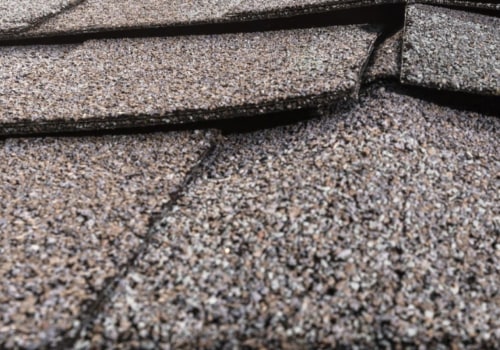
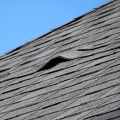
Moisture intrusion is one of the most damaging issues a home can face, and the roof is a critical barrier against it. Worn shingles, compromised flashing, or underlayment failure can allow water to seep into attics and wall systems. Over time, this leads to mold growth, wood rot, and insulation damage. Roof replacement addresses these vulnerabilities comprehensively, restoring the home’s ability to shed water properly. By preventing moisture buildup, a new roof supports healthier indoor air quality and reduces the risk of secondary damage to ceilings, walls, and framing.
Strengthening Structural Integrity
The condition of a roof directly affects a home’s structural stability. Persistent leaks or trapped moisture can weaken rafters, decking, and support beams. Roof replacement provides an opportunity to inspect and reinforce these components, ensuring the structure beneath is sound. This proactive approach prevents minor issues from escalating into major structural repairs. A solid roof distributes loads more evenly and protects the home during severe weather, contributing to long-term durability and safety.
Supporting the Performance of Other Home Systems
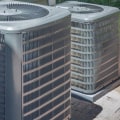
Home systems do not operate independently, and roof performance often impacts other components. Proper roof ventilation helps regulate attic temperatures, which in turn protects HVAC systems from overworking. Reduced moisture intrusion also protects plumbing, electrical wiring, and insulation from deterioration. In this interconnected context, services across the home ecosystem matter. Reliable partners—such as Plumbing Services of Raleigh—illustrate how maintaining one system supports the performance and longevity of others, reinforcing the value of a holistic approach to home maintenance.
Increasing Property Value and Market Appeal
From a financial perspective, roof replacement significantly improves property value. Buyers view a new roof as a sign of responsible ownership and reduced future maintenance. Homes with updated roofs often sell faster and command higher prices because they offer peace of mind. Appraisers and inspectors also factor roof condition into overall assessments, making replacement a strategic investment for homeowners planning to sell or refinance.
Reducing Maintenance and Long-Term Costs
An aging roof often requires frequent repairs, inspections, and temporary fixes. These ongoing costs add up over time and can still fail to address underlying issues. Roof replacement reduces maintenance demands by providing a fresh, reliable system designed to perform for decades. Modern roofing materials offer improved durability, wind resistance, and warranties that protect homeowners from unexpected expenses. This reliability allows homeowners to redirect time and resources toward other improvements rather than recurring roof concerns.
Enhancing Comfort and Daily Living
Beyond technical performance, a new roof improves daily living. Better insulation and ventilation create quieter interiors, more consistent temperatures, and fewer drafts. Reduced moisture and heat issues make upper floors more usable and comfortable. These improvements enhance how a home feels on a day-to-day basis, not just during extreme weather.
A Performance Upgrade With Lasting Impact
How roof replacement improves overall home performance comes down to protection, efficiency, and integration. By strengthening energy control, moisture defense, structural stability, and system coordination, a new roof elevates the entire home’s functionality. Rather than being a single-purpose upgrade, roof replacement is a foundational improvement that delivers lasting benefits in comfort, safety, and value—making it one of the most impactful investments a homeowner can make.