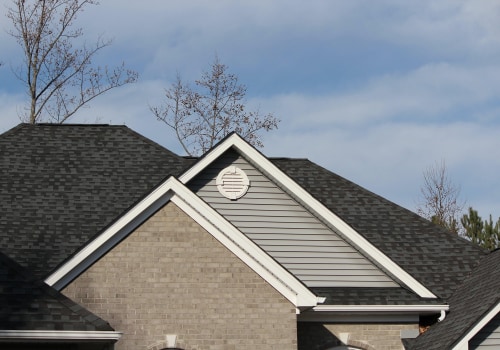
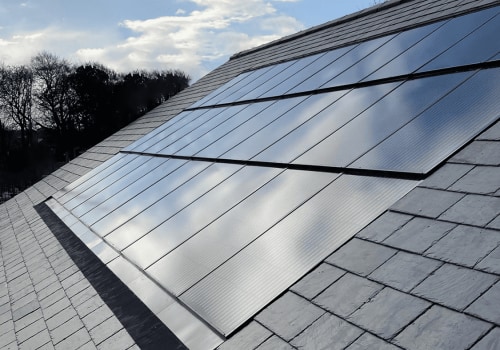
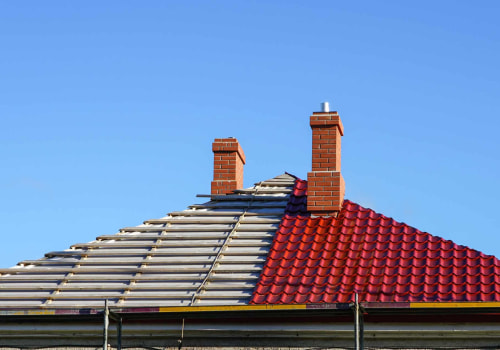
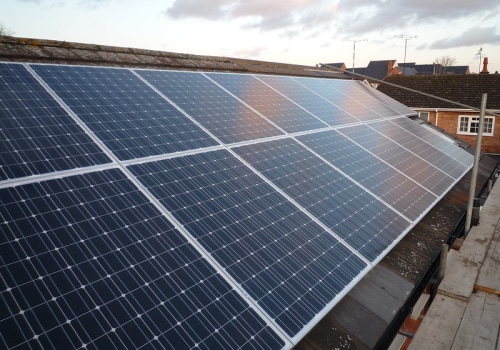
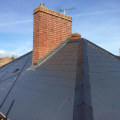
Many homeowners view roof replacement as a straightforward project involving the removal of old shingles and the installation of new roofing materials. While this may be true for some homes, many roof replacement projects involve structural considerations that extend well beyond the visible surface. A roof is one of the most important structural systems in any building because it protects the interior while transferring its weight, along with environmental loads, safely to the walls and foundation. Changes in roofing materials, roof design, or added features such as solar panels, skylights, or rooftop equipment can alter the loads placed on the supporting framework. In older homes, years of weather exposure, moisture intrusion, or previous modifications may have weakened structural members without obvious signs from the exterior. For these reasons, certain roof replacement projects benefit from a structural engineer's assessment to ensure the existing framework can continue supporting the building safely and efficiently after the new roof is installed.
Evaluating Structural Capacity Before Installation
One of the primary reasons structural engineers become involved in roof replacement projects is to evaluate whether the framing system is capable of supporting the proposed roofing materials. Different roofing products vary significantly in weight. Metal roofing, architectural shingles, clay tiles, concrete tiles, and slate all place different demands on rafters, trusses, beams, and supporting walls. Replacing a lightweight roof with a heavier material without assessing the structural capacity could increase stress on the building over time. Engineers carefully examine framing conditions, load paths, connection details, and any evidence of deterioration to determine whether reinforcement is necessary before installation begins. Companies such as Open Concept Engineering understand that successful roof replacement depends on balancing architectural goals with sound structural principles. Their expertise helps ensure that roofing upgrades improve both durability and long-term building performance while maintaining compliance with applicable building standards.
Identifying Hidden Structural Issues
A roof replacement often provides one of the best opportunities to inspect portions of a building that are normally concealed. Once existing roofing materials are removed, contractors and engineers may discover water-damaged sheathing, weakened rafters, deteriorated trusses, insect damage, or structural modifications made during previous renovations. These hidden issues may not have been visible from inside the home but can significantly affect the roof's ability to support current and future loads. Structural engineers evaluate whether damaged components require repair or replacement before the new roofing system is installed. Addressing these concerns during the project helps prevent future structural movement, roof sagging, water intrusion, and costly repairs that could otherwise occur after construction is complete. Early identification also allows homeowners to make informed decisions based on the actual condition of the structure rather than relying solely on surface appearances.
Long-Term Safety Through Professional Assessment
A structural engineer's assessment is not required for every roof replacement, but it can provide valuable reassurance when projects involve older homes, complex roof designs, significant material changes, storm damage, or planned additions such as solar energy systems. Careful evaluation helps ensure that the roof functions as part of a complete structural system rather than simply serving as a protective covering. Professional planning also supports better coordination between roofing contractors, architects, electricians, and other construction professionals working on the project. By verifying that the supporting framework remains capable of handling anticipated loads, homeowners reduce the risk of structural problems that may develop years after installation. Investing in a structural assessment when appropriate helps protect the property's long-term value, improves occupant safety, and contributes to a more durable roofing system. Understanding why some roof replacement projects require engineering expertise allows homeowners to make informed decisions that preserve both the structural integrity of the building and the reliability of one of its most essential protective systems.