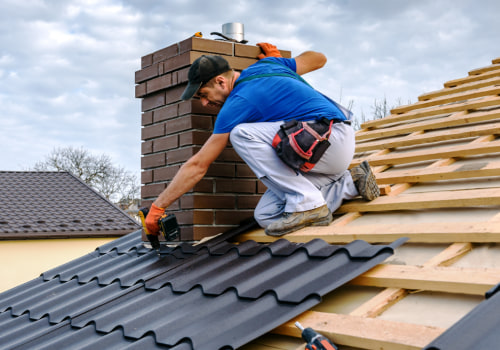
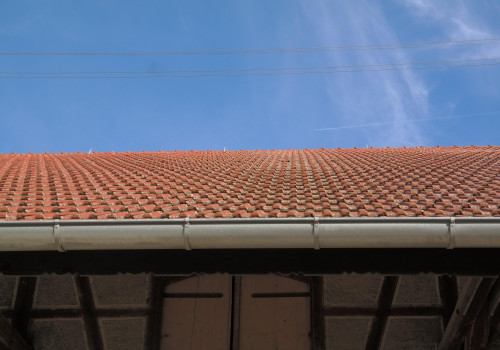
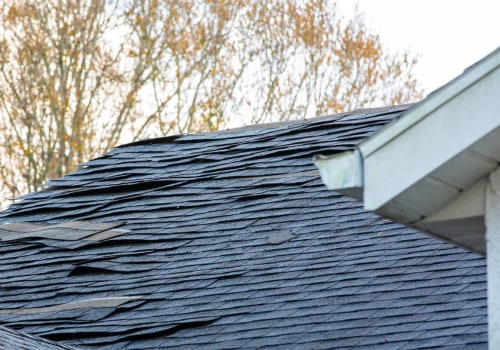
Preparing your property for both roof replacement and concrete upgrades requires careful planning to ensure a smooth and efficient process. These improvements often happen simultaneously or within a close timeframe, making coordination essential. A roof replacement focuses on protecting your home from above, while concrete upgrades—such as patios, walkways, or driveway repair—enhance the functionality and durability of ground-level spaces. Taking the time to prepare in advance helps minimize disruptions, avoid costly mistakes, and keep both projects on schedule.
Clearing and Organizing Work Areas
Before any work begins, it’s important to clear and organize the areas where contractors will be operating. For roof replacement, remove or secure items in the attic and protect valuables inside the home from potential dust or debris. Outdoors, clear driveways, patios, and surrounding areas of vehicles, furniture, and loose objects to make room for equipment and materials. Trimming nearby trees or overhanging branches can also prevent interference with roofing work. A clean and organized space allows contractors to move efficiently and reduces the risk of delays caused by limited access or clutter.
Coordinating Project Timing
Timing is one of the most critical factors when preparing for both roof and concrete work. Roofing projects should ideally be completed before pouring new concrete to prevent debris from damaging freshly installed surfaces. Concrete requires a curing period, during which it must remain undisturbed to achieve optimal strength and durability. Properly scheduling these tasks ensures that each phase is completed without interfering with the other. Communicating clearly with contractors about timelines and expectations helps keep everything aligned and minimizes the chances of overlapping work causing complications.
Protecting Surfaces and Materials
During construction, protecting your property and materials is essential to maintaining quality results. Roof replacement can generate debris such as nails, shingles, and dust, which may fall onto newly installed concrete if precautions are not taken. Using protective coverings, barriers, or temporary shields can help safeguard these surfaces. Likewise, heavy machinery used in concrete work should be carefully managed to avoid damaging landscaping, siding, or structural components of the home. Taking these steps ensures that both the roof and concrete upgrades remain in excellent condition throughout the process.
Ensuring Safety and Long-Term Value
Safety should always be a top priority when preparing for major home improvements. Clearly defined work zones and unobstructed pathways help reduce the risk of accidents for both contractors and residents. Keeping children and pets away from active construction areas is also important. Beyond safety, proper preparation contributes to the long-term value of your property. A newly installed roof provides reliable protection against weather, while upgraded concrete surfaces improve functionality and curb appeal. By planning ahead and preparing your property thoroughly, you create a more efficient renovation experience and ensure lasting benefits for your home.