Managing old roofing materials is a critical step in any roof replacement project, as it sets the foundation for a successful installation. Before new materials can be applied, contractors must carefully remove existing shingles, underlayment, flashing, and other components that have deteriorated over time. This process requires planning and precision to ensure that the structural integrity of the roof deck is preserved. By assessing the condition of the existing roof beforehand, contractors can anticipate the volume and type of materials that will need to be handled, allowing for a more organized and efficient workflow from the start.
Safe and Efficient Removal Practices
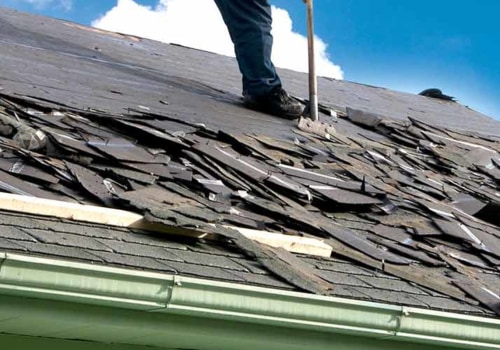
The removal phase involves more than simply tearing off old materials—it requires a methodical approach to ensure safety and efficiency. Contractors use specialized tools to strip away roofing layers while minimizing damage to the underlying structure. Protective measures, such as tarps and debris nets, are often used to prevent materials from falling onto landscaping or surrounding areas. Additionally, magnetic tools are employed to collect loose nails and metal fragments, reducing the risk of injury. These practices not only protect the property but also create a safer working environment for both the crew and homeowners.
Sorting and Recycling Opportunities
Once old roofing materials are removed, sorting them becomes an essential part of the process. Many materials, including asphalt shingles, metal flashing, and wood components, can be recycled or repurposed rather than discarded. Contractors often separate recyclable items from general waste to reduce the environmental impact of the project. This approach aligns with sustainable building practices and helps divert large amounts of construction debris from landfills. By prioritizing recycling, roofing professionals contribute to a more eco-friendly process while also potentially lowering disposal costs.
Coordinating Disposal and Cleanup
Proper disposal of old roofing materials requires careful coordination to ensure compliance with local regulations. Contractors typically use dumpsters or hauling services to transport debris to designated disposal or recycling facilities. Keeping the worksite clean throughout the project is equally important, as accumulated debris can create hazards and slow down progress. Professional teams, such as Devil Dog Services LLC, emphasize ongoing cleanup to maintain an organized and efficient workspace. This includes regularly removing waste, securing loose materials, and ensuring that the area remains safe for both workers and residents.
Protecting Property During the Process
Managing old roofing materials also involves taking steps to protect the property during removal and disposal. Contractors often cover landscaping, driveways, and outdoor fixtures to prevent damage from falling debris. Careful handling of materials ensures that the surrounding environment remains intact, even during large-scale roof replacement projects. These protective measures demonstrate attention to detail and a commitment to preserving the homeowner’s property throughout the process.
Ensuring a Smooth Transition to New Roofing
Ultimately, effective management of old roofing materials is essential for a seamless transition to the new roof. By removing, sorting, and disposing of materials efficiently, contractors create a clean and stable surface for installation. This not only improves the quality of the new roof but also enhances its longevity and performance. A well-executed removal process minimizes delays, reduces risks, and sets the stage for a successful project. With proper planning and professional expertise, homeowners can feel confident that their roof replacement will be handled with care, efficiency, and respect for both their property and the environment.