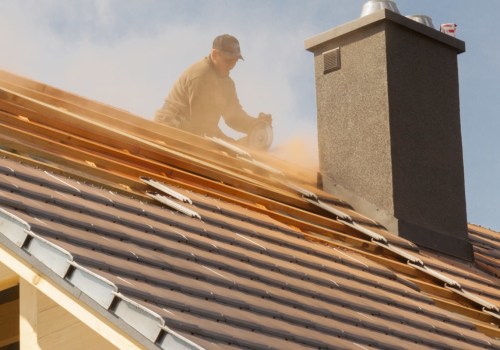
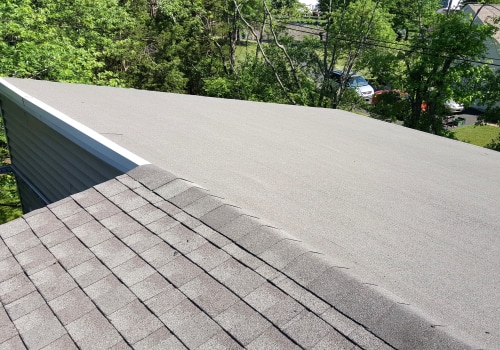
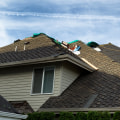
A successful roof replacement begins with a detailed inspection of the existing roofing system. This step helps identify visible damage, worn materials, leaks, structural concerns, and areas that may require additional attention before installation begins. Contractors typically examine shingles or other roofing materials, flashing, vents, gutters, chimneys, and the condition of the roof deck where possible. A professional inspection can also help determine whether a full replacement is necessary or whether certain problems can still be addressed through repairs. Understanding the roof’s condition provides a clearer foundation for planning the project and estimating the work involved.
Review the Scope of the Project
Once the inspection is complete, the next step is defining the scope of the replacement. This may include removing the existing roof, repairing damaged decking, replacing flashing, improving ventilation, or updating drainage components. Homeowners should review the proposed work carefully so they understand which services are included and which could involve additional costs. Working with local Skaneateles roof & chimney pros can also help property owners consider how related roof features, including chimneys and flashing connections, may affect the overall replacement plan.
Choose the Right Roofing Materials
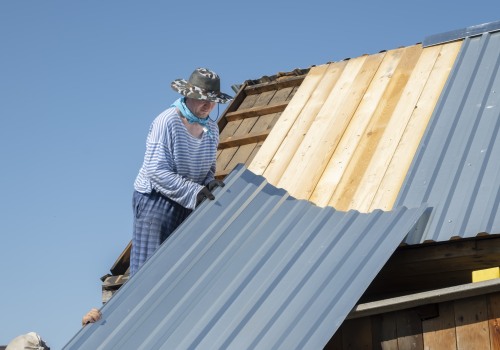
Material selection is another important part of planning a roof replacement. Asphalt shingles, metal roofing, slate, and other materials vary in cost, appearance, durability, weight, and maintenance requirements. The right option should suit the property’s architectural style while also performing well in local weather conditions. Homeowners may also want to compare manufacturer warranties, expected service life, energy efficiency, and color options. Choosing materials based only on initial price may not always provide the best long-term value, so durability and maintenance should also be considered.
Check the Roof Deck and Structural Condition
After old roofing materials are removed, contractors can get a clearer view of the roof deck underneath. Soft spots, rot, moisture damage, or deteriorated wood may need to be repaired before new materials can be installed. Ignoring these issues can affect the stability and longevity of the new roof. Structural concerns may also need to be addressed if the existing framing shows signs of damage or if heavier roofing materials are being installed. Completing these repairs before installation helps provide a solid base for the new roofing system.
Plan for Ventilation and Moisture Control
Proper ventilation and moisture management are essential to roof performance. Attic ventilation helps regulate heat and humidity, which can reduce condensation and protect roofing materials from premature deterioration. During a replacement, contractors may inspect intake and exhaust vents and recommend improvements when airflow is inadequate. Underlayment, flashing, ice barriers, and other moisture-protection components should also be installed correctly. These layers work together with the exterior roofing material to reduce the risk of leaks and water intrusion.
Prepare for Installation Day
Homeowners can help the installation process go more smoothly by preparing the property in advance. Vehicles may need to be moved away from the work area, and outdoor furniture or decorations should be relocated if they could interfere with equipment or falling debris. Items inside the attic or attached to walls may also need to be secured because roofing work can create vibration. Discussing access, working hours, cleanup procedures, and expected disruptions with the contractor beforehand can help avoid unnecessary surprises.
Monitor Installation and Quality
During installation, each stage should follow appropriate roofing practices and manufacturer guidelines. Proper alignment, fastening, flashing installation, and ventilation details all contribute to the performance of the finished roof. Homeowners do not need to supervise every step, but staying informed about progress and asking questions when needed can be helpful. Any unexpected issues discovered during the project should be discussed before additional work is completed.
Complete a Final Inspection
The project should end with a final inspection and cleanup. Contractors may check roofing materials, flashing, vents, gutters, and other components to confirm that the installation is complete. Property owners should also review warranty information, maintenance recommendations, and documentation related to the new roof. Careful planning from the first inspection through final installation can help create a roofing system that provides reliable protection, improved performance, and long-term value for the property.